
together,
we have the power to take onTK2d
(thymidine kinase 2 deficiency)
If you're just learning about TK2d or suspect you may have TK2d, genetic testing is the most accurate way to diagnose TK2d and can help you get the care you need sooner.
Diagnosed with TK2d?


If you're just learning about TK2d or suspect you may have TK2d, genetic testing is the most accurate way to diagnose TK2d and can help you get the care you need sooner.
Diagnosed with TK2d?
What is TK2d?
TK2d is a rare genetic mitochondrial disease
Mitochondrial diseases are a group of rare, debilitating, and often fatal conditions with a severe impact on daily living and quality of life. TK2d is a type of mitochondrial disease called mitochondrial DNA depletion and deletion syndrome (MDDS).
There are many types of
mitochondrial diseases,
so while they are rare, it is estimated that


people is affected.
To best understand mitochondrial diseases like TK2d, there are some things about the body that you need to know first.
Mitochondria and ATP
Inside almost all human cells are mitochondria, the powerhouse of the cell. Their job is to make the energy that is essential to many critical body functions, like the beating of your heart. This energy is called adenosine triphosphate, or ATP.
DNA and mtDNA
You may know that some DNA is stored inside the nucleus of your cells (called nuclear DNA), but did you know that we also have mitochondrial DNA (mtDNA)? This mtDNA plays an important role in creating ATP.
Mitochondrial disorders
To make ATP, the mitochondria need enzymes and other proteins from both nuclear DNA and mtDNA. When there is an error (mutation) in either type of DNA, it can cause a mitochondrial disorder.
Understanding TK2d
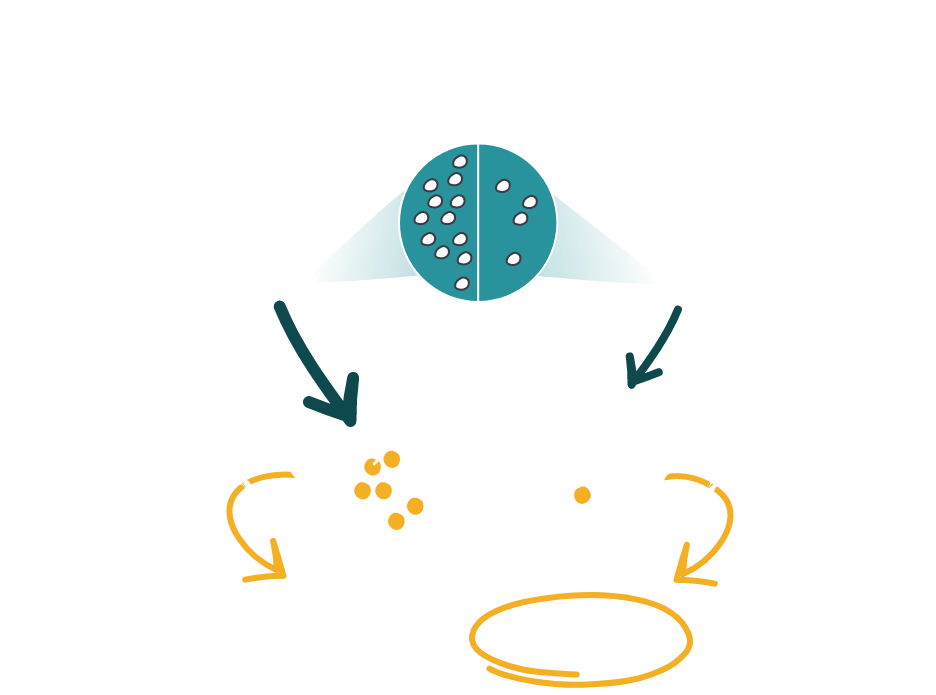
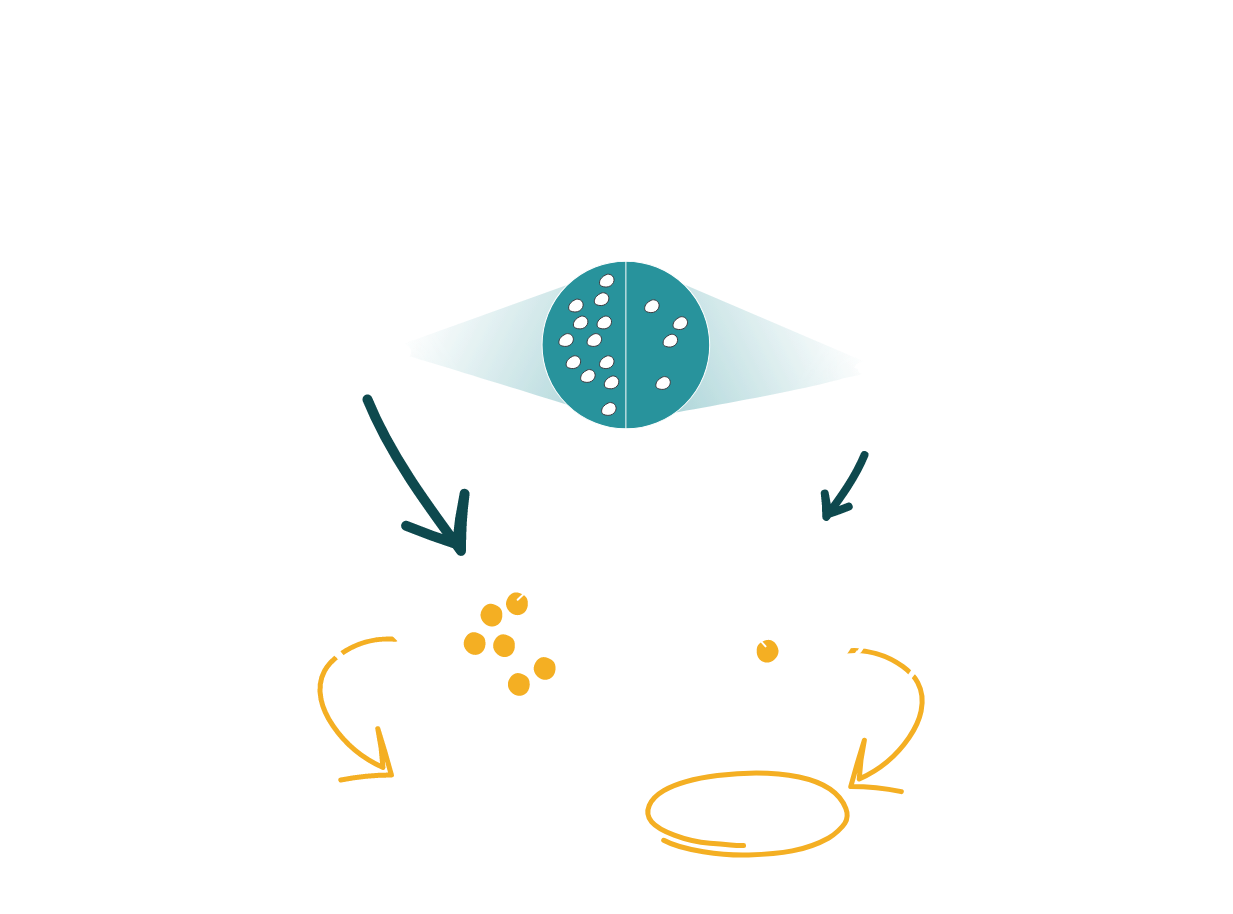
TK2d is a primary mitochondrial myopathy, which means that it mainly affects muscles. It is also a type of mitochondrial disease called mtDNA depletion/deletion syndrome.
Thymidine kinase 2 (TK2) is an enzyme that helps make and maintain your mtDNA. When you have a healthy and normal amount of mtDNA, the mitochondria are able to create and provide energy for your body and its functions.
What causes TK2d?
TK2d is caused by mutations in the TK2 gene, which decrease the enzyme activity that helps make and repair your mtDNA. Because there isn't enough healthy mtDNA, the mitochondria cannot work the way they should. This means muscles don't have enough energy and cannot function properly. This can lead to weakness in many muscle groups.
quick facts
TK2d can develop at any point in life. It's considered early onset if symptoms appear at or before 12 years of age. If symptoms began before 12 years but you were not diagnosed until adulthood, this is still early-onset TK2d.
- TK2d was first described in children in 2001
- Late onset of TK2d may be possible and is defined as symptom onset after 12 years
- TK2d shares symptoms with many other diseases, so there may be people living with TK2d who have not been diagnosed
- Genetic testing can provide an accurate TK2d diagnosis
If you suspect TK2d, ask your doctor about confirming a diagnosis with genetic testing. If you have already had a genetic test, ask your doctor if TK2d was included on the testing panel. If it wasn't, consider testing again.
What are the symptoms of TK2d?
TK2d has progressively taken away my physical strength, my ability to eat, swallow, and breathe.
What are the symptoms of TK2d?
TK2d causes a spectrum of symptoms that can impact people of all ages
TK2d is defined by weakness in the muscles (called myopathy) closest to the center of the body. It can affect life in a range of ways. Many people with TK2d lose the ability to walk, eat, and breathe independently. Tragically, it is life-threatening.
Symptoms can progress slowly or quickly, depending on the person and age of onset. Generally, the earlier in life symptoms start, the quicker they progress and become life-threatening.
Because TK2d is a disease with many symptoms, diagnosing TK2d can be a long journey. Patients may be misdiagnosed with other conditions, such as spinal muscular atrophy (SMA) or muscular dystrophy. If you suspect TK2d, talk to your doctor.
Symptoms of
Early-onset
TK2d
Many people whose symptoms began at or before age 12 had a healthy birth and reached early developmental milestones. Shortly after, they may have experienced:

Many people whose symptoms began at or before age 12 had a healthy birth and reached early developmental milestones. Shortly after, they may have experienced:
Serious respiratory issues
(trouble breathing)
Difficulty swallowing
Low muscle tone
(loss of the ability to sit and hold their head up, also called floppy baby syndrome)
Loss of motor skills
(difficulty with and/or loss of skills like crawling, walking, balancing, and grabbing)

Early onset is defined as occurring between the ages of 0‑12.
It is possible that a person first experiences symptoms as an infant or child, but does not
get diagnosed until after age 12. This is still considered early‑onset TK2d.


A helpful resource for the
TK2d community
Download to learn more about the cause of TK2d, symptoms, diagnosis, disease management, a multidisciplinary healthcare team approach, and patient community organizations and resources.
A tool for tracking early
TK2d symptoms

Download to prompt patient and caregiver reflection on early TK2d symptoms and experiences that may be difficult to recall at an appointment with their clinical care team.
For me to be diagnosed took 21 years, probably due to lack of information about the symptoms and course of TK2d.
If you suspect TK2d, use genetic testing to confirm a diagnosis
If you or a loved one has several of the symptoms listed above and you suspect TK2d, talk to your doctor about genetic testing for TK2d. All you need to provide is a blood sample, a saliva sample, or a cheek swab. Some genetic tests come at no cost. Talk to your doctor about your eligibility for no‑cost genetic testing.What causes TK2d?
TK2d is an inherited mitochondrial disease caused by a genetic mutation in the TK2 gene. Both the mother and father (called carriers) must have the mutated TK2 gene for a child to get TK2d. This is called an autosomal recessive inheritance pattern.
When both parents are carriers of the mutated TK2 gene, each child will have a 25% chance of having TK2d, a 50% chance of being an unaffected carrier, and a 25% chance of not having TK2d and not being a carrier.
The mother and father who pass on TK2d will usually not have any signs or symptoms of the disease. That is one reason why getting a diagnosis can be hard for someone who inherits TK2d.
If you or a loved one has been diagnosed with TK2d, you should also talk to your doctor about how to learn if siblings or other family members may be carriers.
TK2d inheritance:


TK2d inheritance:
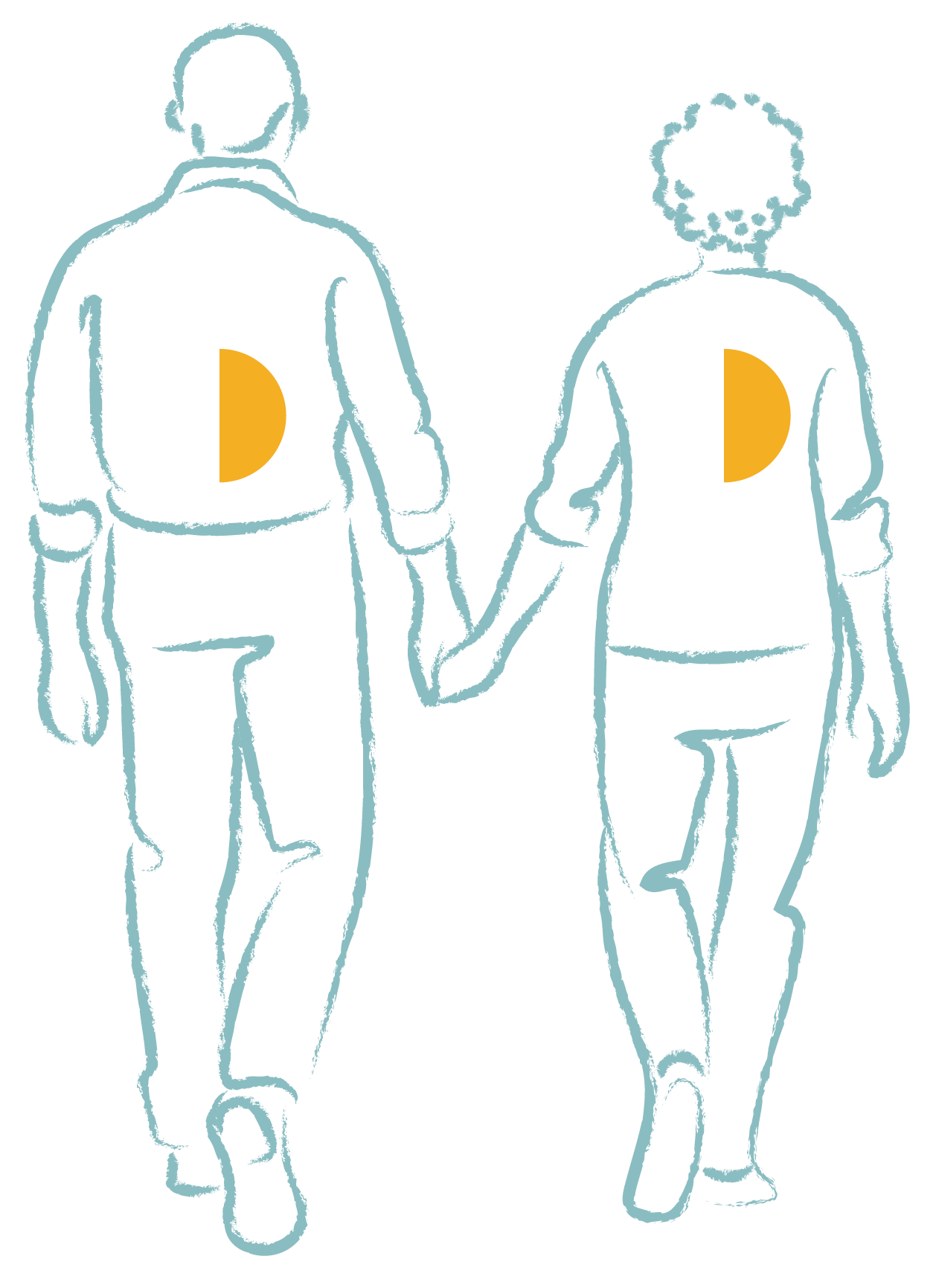
These are the possibilities with 2 carrier parents:
25%
Chance of having TK2d
50%
Chance of being an unaffected carrier of a single mutated TK2 gene
25%
Chance of not having TK2dand not being a carrier
Get updated information about TK2d
Sign up for the latest patient stories, information about TK2d, and links to advocacy groups.All fields are required.
In addition, all of our future communications will include an opportunity to opt out.
WHO WE ARE